【Yokai & Mystery】  A dragon with nine heads (Tokyo pref.)

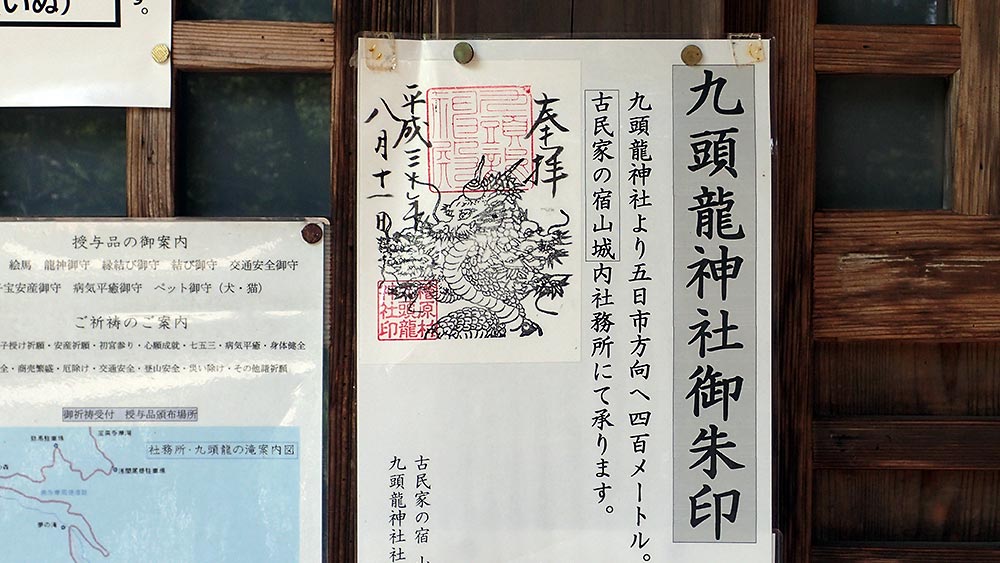
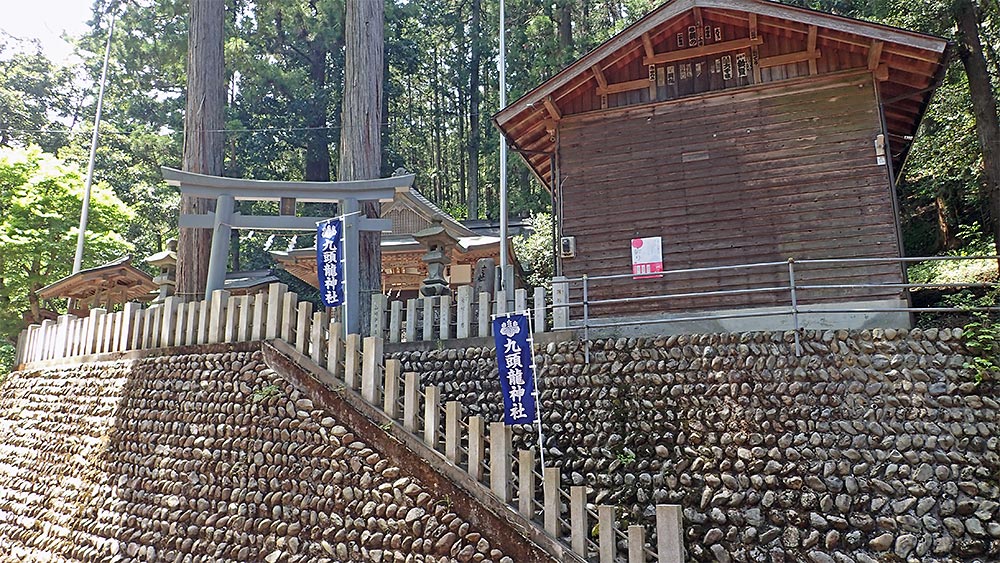
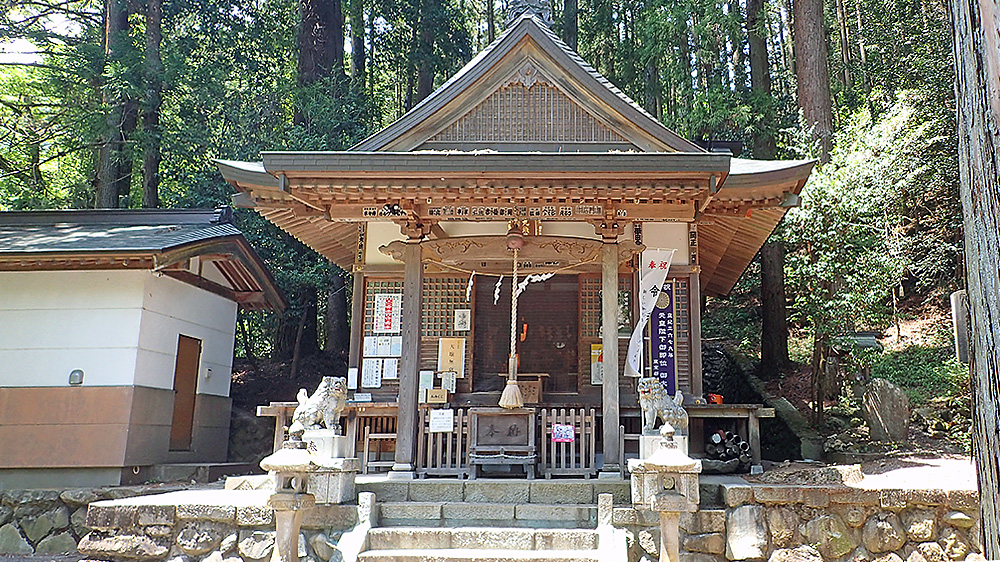
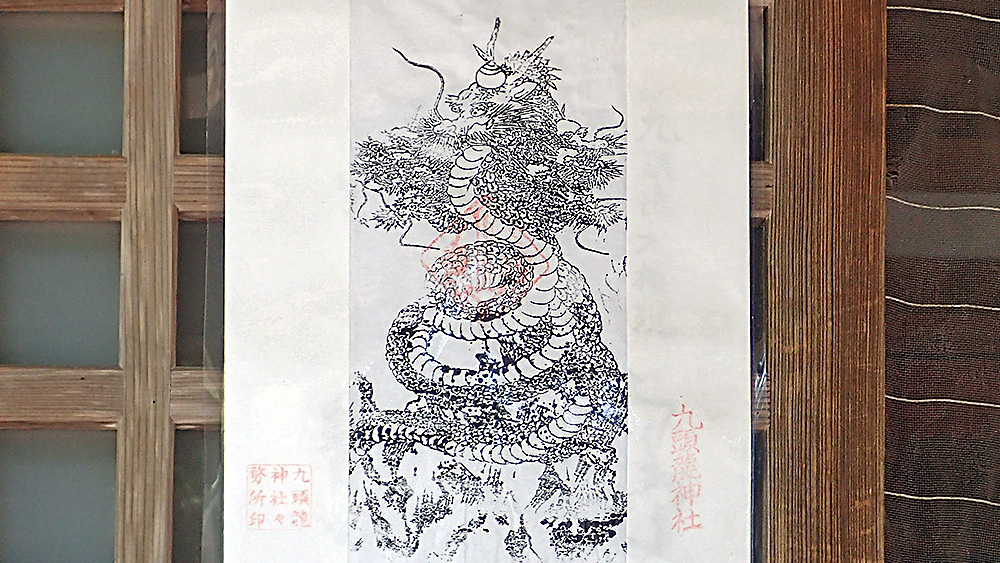
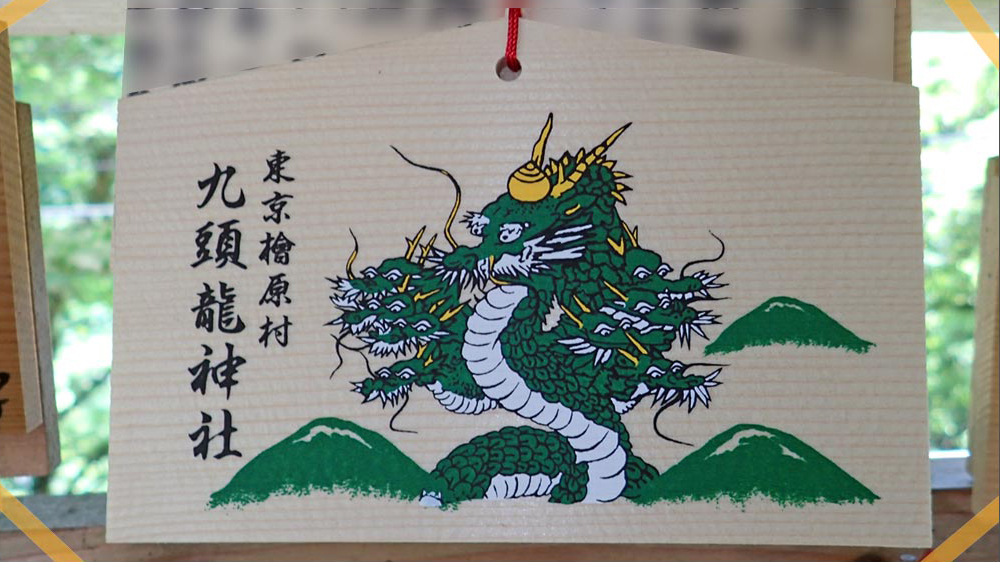
While driving along the narrow mountain roads of Hinohara Village, a mountainous area of Tokyo, I happened to see the words 'Kuzuryu Shrine,' managed to park my car in a parking space, climbed the stone steps, and found this ema in the shrine grounds.
  As the name suggests, what is enshrined here is a 'dragon with nine heads,' which means it has one more head than Yamata no Orochi, and three times as many as the ultimate monster King Ghidorah!
  If I stretch the meaning of the saying 'Even the head of a sardine begins with faith,' to my interpretation, it would mean 'The number of heads directly reflects the amount of blessing.' So, wouldn't that make this deity seem like one with quite a lot of blessings? ♪ (Nihedon @ KesaranPasaran Lab)


Regarding this 'Kuzuryu,' when I looked it up after returning home, I found that the deity called 'Kuzuryu Okami' was already worshipped during the Nanboku-ch? period. It seems to have been the 'guardian deity of the Southern Court.'

The 'Southern Court' was the court established in 1336 in Yoshino, Nara, by Emperor Go-Daigo after the fall of the Kamakura shogunate. A person named Kazuma-no-Kami Ono Ujikane (I can't read it properly lol), who served in the Southern Court's army, developed Hinohara Village and enshrined this deity there as the clan god for the prosperity and good fortune of his descendants. (It seems that his descendants are still the current shrine priests of this shrine.)

Apparently, 'Kuzuryu' was originally a serpent deity named Vasuki from India, and when it was incorporated into Buddhism, it was transmitted to Japan. There seem to be many Kuzuryu legends left throughout Japan. Some even closely resemble the Yamata no Orochi legend, raising the question of whether there is some connection or if it's simply that human thoughts tend to settle in similar ways.

Here, regarding the number 'nine,' in Japan, there is a charm known as 'cutting the nine characters' (Rin, Pyo, To, Sha, Kai, Jin, Retsu, Zai, Zen), which has long held special significance. I wonder if this, too, is influenced by India.

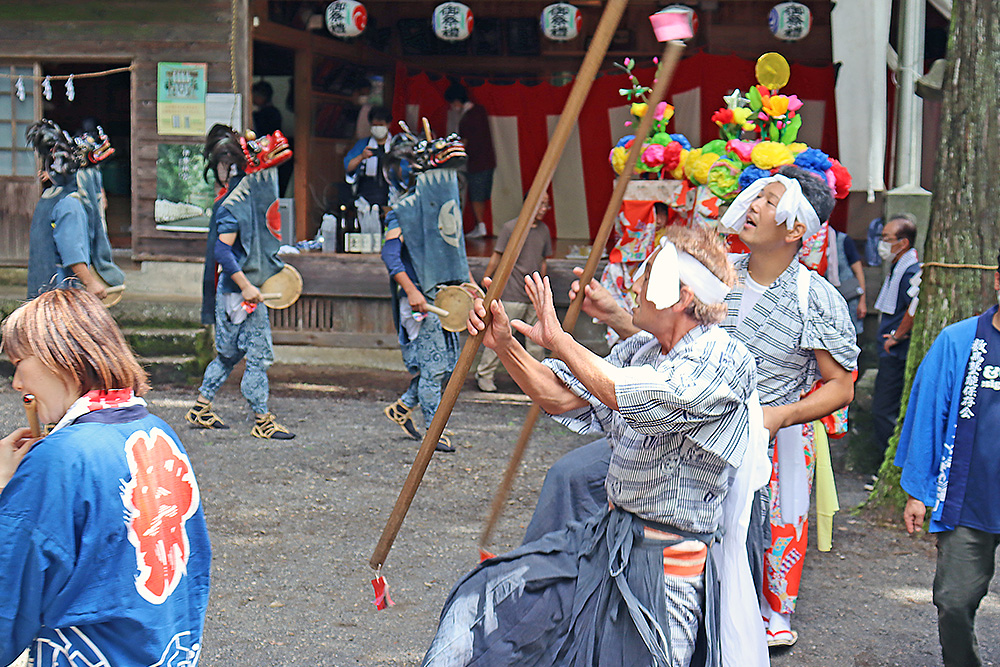
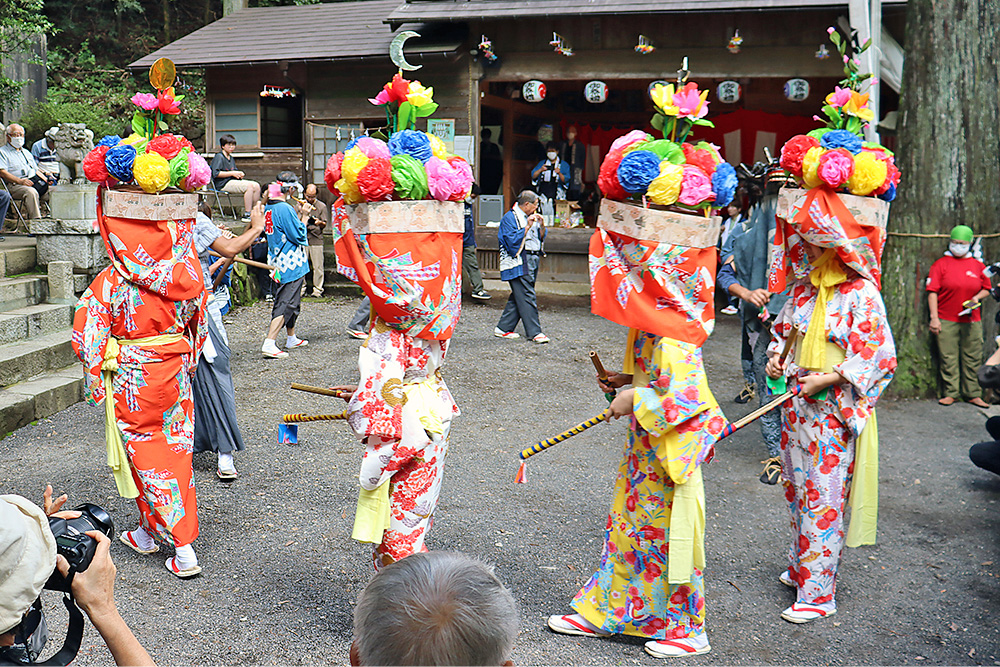
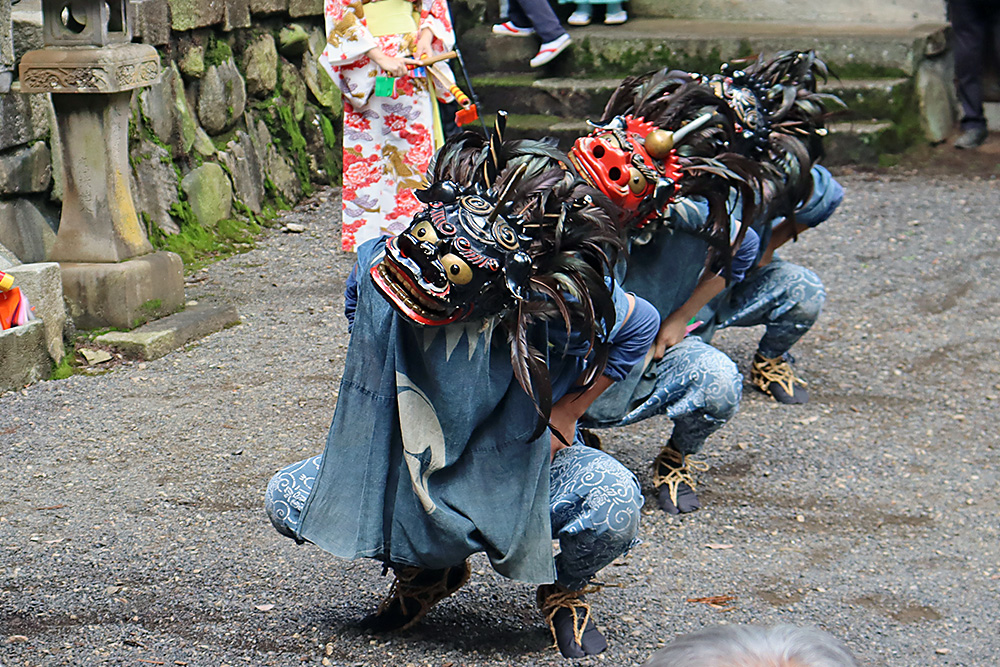
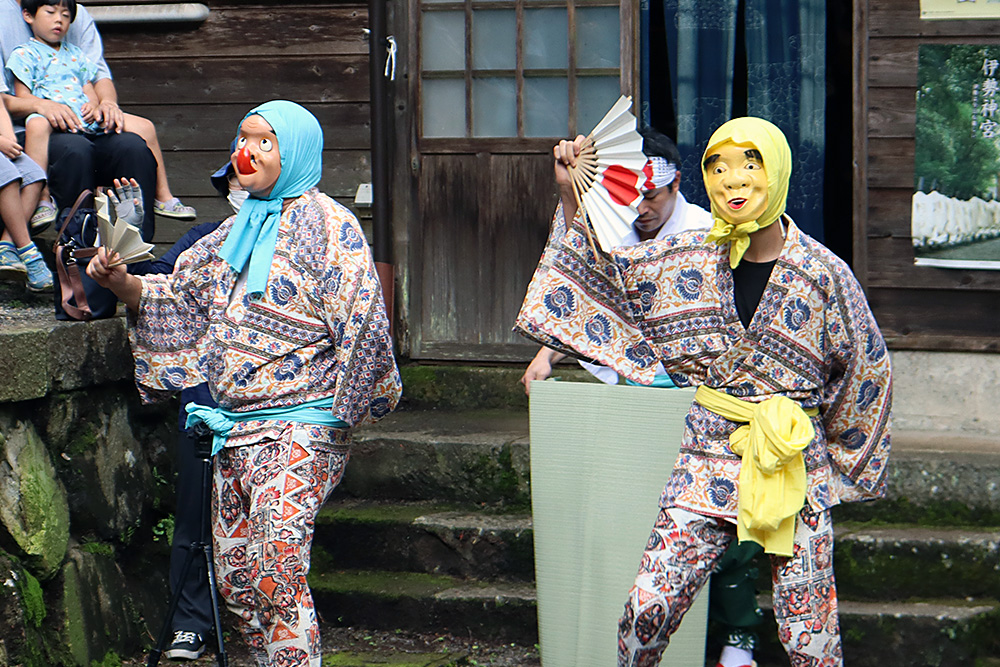
★I also went to see the revived 'Foolish Mask Hayashi'!★

I’m writing this for the sake of when I see it years from now, but the 'novel coronavirus infection' that emerged from Wuhan, China in December 2019 spread globally, leading to calls for self-restraint in going out and 'avoiding the Three Cs (I have no idea what that means now)' all over Japan, and there was a period when festivals and other gatherings were also canceled.

Amid that, the 'Kuzuryu Shrine Annual Festival' was also temporarily canceled, but it was held again on September 9, 2023 (this festival is held every year on the second Sunday of September) for the first time in four years, and I also went there, taking more than three hours one way. Of course, my excitement was through the roof!


ACCESS : Get off at the 'Kazuma' bus stop on the 'Nishi Tokyo Bus' from Musashi-Itsukaichi Station, and walk 6 minutes toward the upstream of Minami Akigawa.


Official site