yYokai & Mysteryz@ The Snow Woman and the Bean Washer (Tokyo pref.)

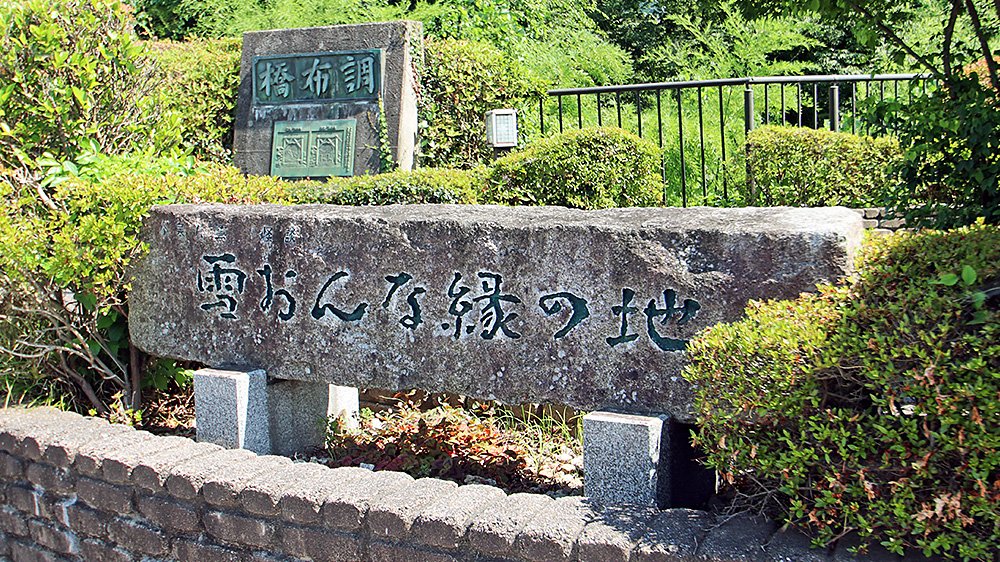
The "Snow Woman," made famous by Lafcadio Hearn (Koizumi Yakumo), was something I always thought originated from a folk tale in the Tohoku region. However, upon learning that the setting is actually Ome in Tokyo, I immediately went to Ome to "search for the Snow Woman."
What I discovered there is that Ome is a treasure trove of yokai (supernatural beings). Even the river where the "Azuki-arai" (bean washer) is said to appear still exists. I'll definitely be keeping an eye on Ome in the future!@(Nihedon @ KesaranPasaran Lab)

@

Lafcadio Hearn's "The Snow Woman" goes like this:

- Two men were working in the mountains across a river when a heavy snowstorm hit. They took shelter in a boatman's hut by the riverbank. @- At night, the Snow Woman appeared and blew her cold breath on them, killing one of the men.
@- The other man was spared because he was "young," but the Snow Woman warned him "never to tell anyone about this."
@- The surviving man later married a woman named "Yuki" and had children. (You can probably guess the ending when this name comes up, right? τ)
@- One day, the man inadvertently told his wife, "Yuki," about the Snow Woman.
@- His wife, "Yuki," was actually the Snow Woman herself, and revealed her true form, saying, "You talked about it!"
@- The Snow Woman said, "I'm letting you go because if I kill you, my child won't be able to survive, but I won't forgive you if you make my child unhappy," and then disappeared.

That's the story.

The "river" mentioned in this story is apparently the Tama River, and the "mountain" refers to the mountainous area south of the Tama River.

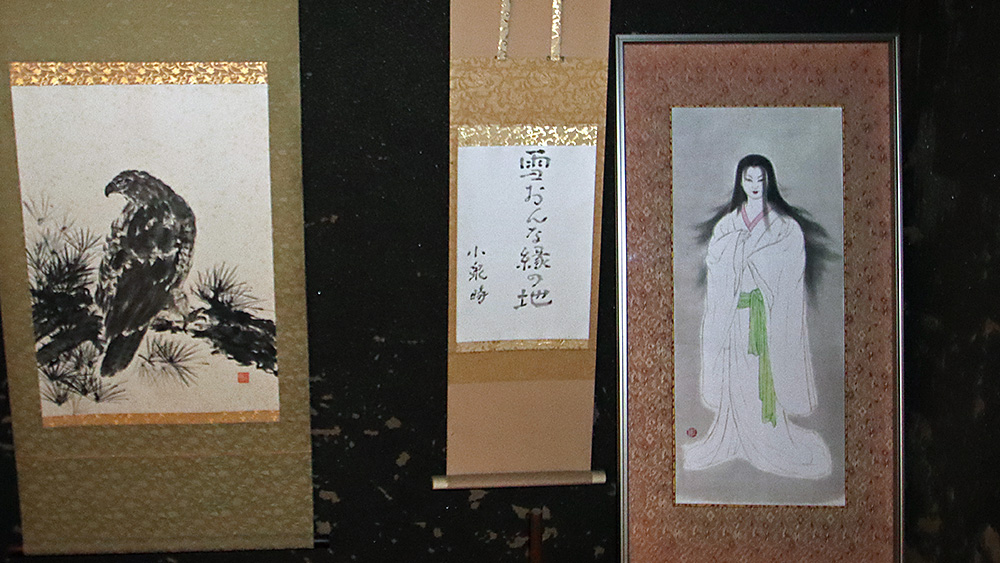
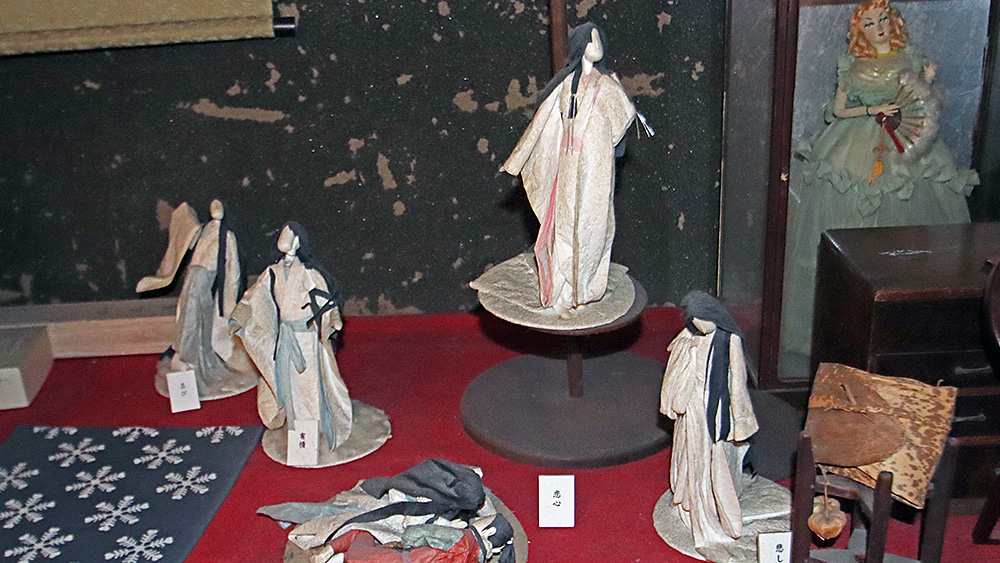
The "Showa Retro Goods Museum" near Ome Station houses an exhibition room for "Yuki Onna" (Snow Woman).


@

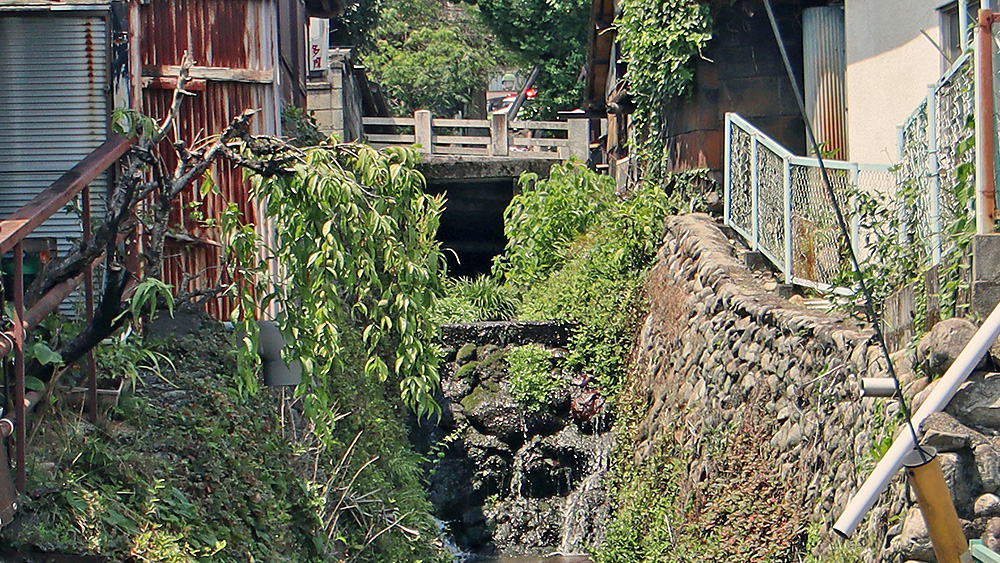
šOme was also known as the town of "Azuki-arai" (a mythical creature that washes red beans).š

It seems that a yokai (supernatural creature) called "Azuki-baba," a relative of the "Azuki-arai" (bean washer), appears in the stream (or rather, ravine) that flows beside the "Sokenji" temple, located about 10 minutes from the station.

Every night, she makes a crackling sound like she's washing red beans, singing, "Shall I wash the beans, or shall I eat people...?" Well, I hope she chooses to wash the beans.


@

šThere is also a legend about Kobo Daishi.š

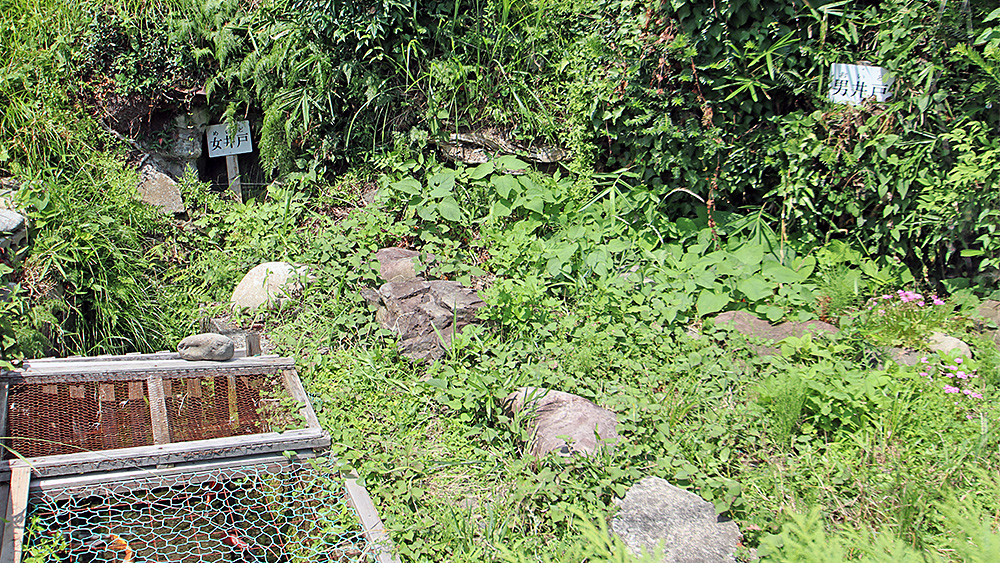
These are the "Man's Well and Woman's Well," located about a 15-minute walk from "Sokenji Temple."

This well has a long and distinguished legend: that Kobo Daishi, as a token of gratitude to a kind elderly couple, "stabbed his staff into the ground, causing water to gush forth." However, for some reason, there are also anecdotes of "azuki-arai" (bean washer) and "Yuki-onna" (snow woman) appearing here. Is "Yuki-onna" a different kind of "snow-like yokai" than the Yuki-onna (snow woman) from Lafcadio Hearn's novel?

@

ACCESS : Look at the map and give it a try!

@

Official site

@